
Caring for End Grain Cutting Boards
End grain cutting boards are the ultimate food preparation surface. Each board is crafted for daily use. With proper care, you'll get excellent performance and delight with each use.
What makes end-grain special?
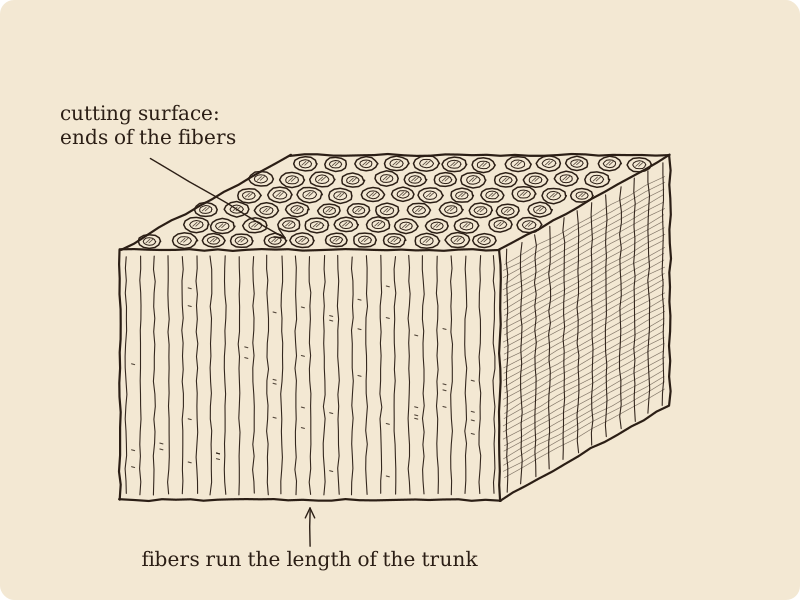
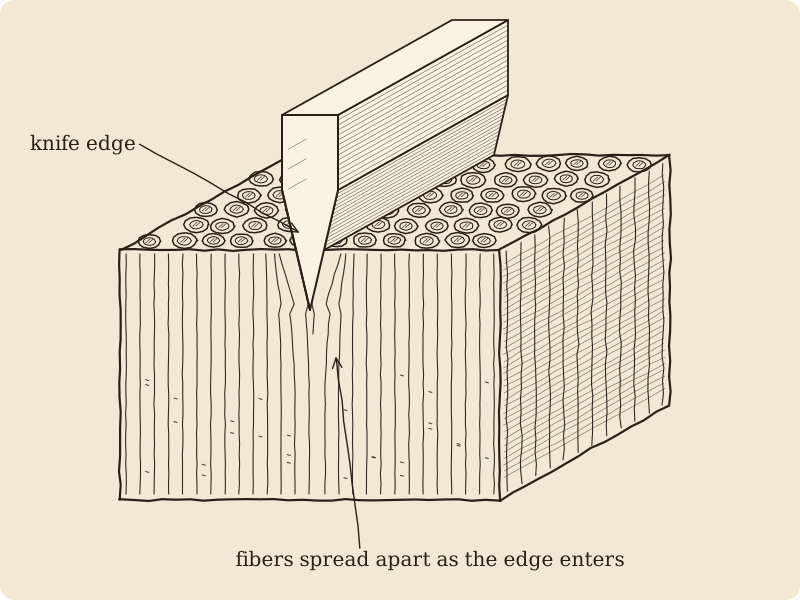
Wood is an amazing material. It can support a tree 100 feet tall and pulls water and nutrients from deep in the ground to all of its leaves efficiently, using just sunlight as fuel. The secret is in the way the cells of the tree are structured. The body of the wood is filled with tiny, straw like tubes that run vertically up the trunk. An end grain cutting surface positions the tops of these tubes as the cutting surface.
Daily Cleaning and Storage
Wash your board with a mild detergent and water. Let the board dry vertically. When not using your board, store it vertically.
Periodic Conditioning
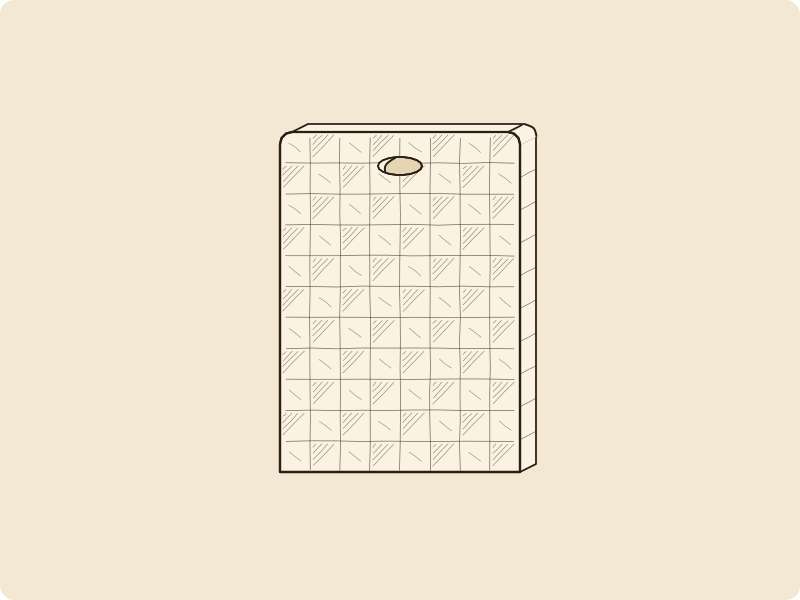
Z-Atelier end grain boards are finished with Z-Wax, a wood conditioner made from natural beeswax and fractionated coconut oil. This food safe finish protects the wood and makes knife marks vanish. It is normal for the finish to be washed away with daily use. Re-apply Z-Wax on a monthly basis. If you don't have Z-Wax, you can use inexpensive unscented food grade mineral oil, often sold at the drug store.